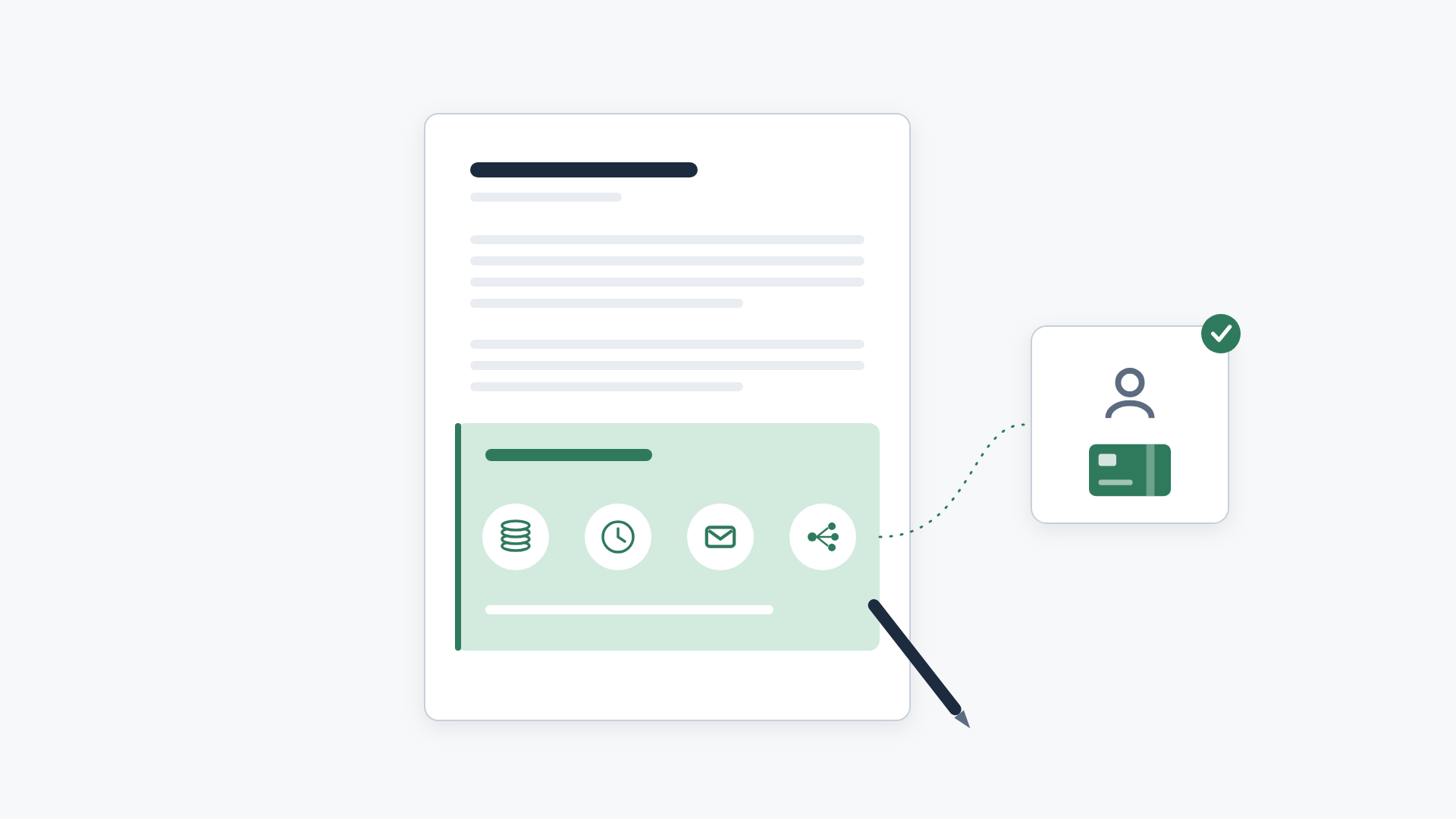
Paying participants is part of research design. Treating compensation as something to work out after the program is designed is a mistake, because, by then, important choices about effort, privacy, and payment logistics have probably already been made by default. All these decisions belong in the study design.
Compensation Starts With Effort
No universal going rate exists for research participation. NIH guidance for IRB members distinguishes coercion from undue influence: payment does not become coercive simply because it is attractive. Still, an excessive or inappropriate reward can change how someone views the study. William & Mary’s IRB guidance on compensating research participants similarly does not prescribe one standard amount. The better starting point is asking what the study requires from the participant. A five-minute questionnaire and an in-depth 90-minute interview are not equal. The research points in the same direction. Eleanor Singer and Cong Ye’s review of incentive research found that response generally increases with incentive value, but not in a simple linear relationship. Basically, yes, compensation improves participation, but there’s no universal pricing list.
Also consider the payment method early, because it affects participation and can create later headaches around data requirements. One simpler solution is incentive platforms. Where the study design and institutional policy allow it, Giftogram provides digital research participant incentives that can be sent individually or in bulk by email or SMS for gift-card delivery, removing the need for a research team to collect bank-account information to deliver incentives once eligibility has been established.
Timing Changes What Payment Means
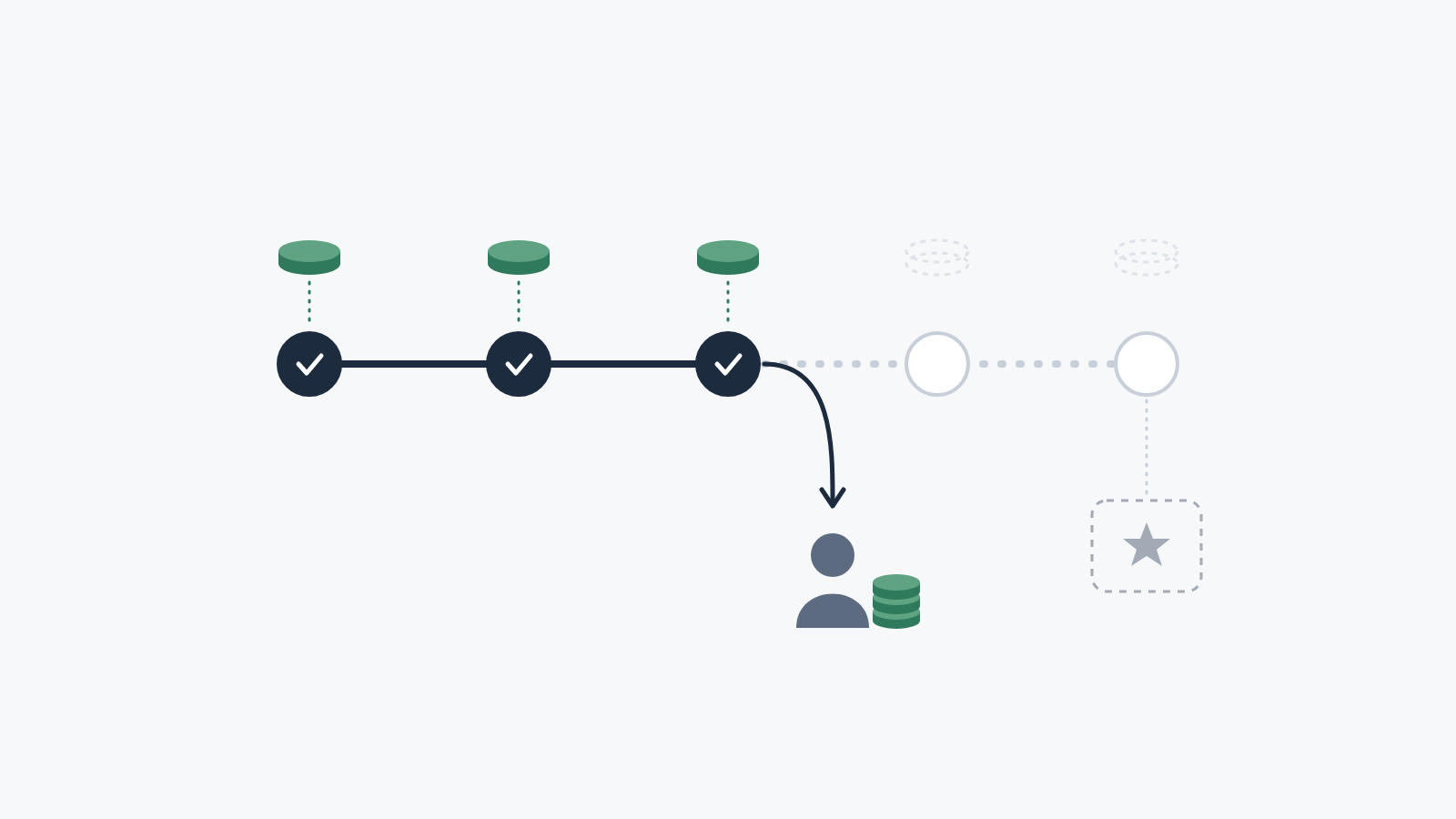
A $20 incentive sent before a survey produces different outcomes than a $20 incentive promised after completion. Singer and Ye found that prepaid or unconditional incentives generally produce higher response rates than incentives promised after participation. The tradeoff is obvious: some people take the incentive without completing the survey. Longer or multi-visit studies pose a different issue. SACHRP, the advisory committee that makes recommendations to HHS, has recommended prorating reimbursement and compensation for time already contributed rather than making all payment contingent on study completion. Completion incentives can be considered separately. The important point is that participants should understand payment terms upfront. While payments increase participation, Singer and Ye found little evidence that incentives systematically change sample composition. In short, while payment is a useful lever for participation, it cannot shortcut fixing representation.
The Payment Process Creates its Own Data
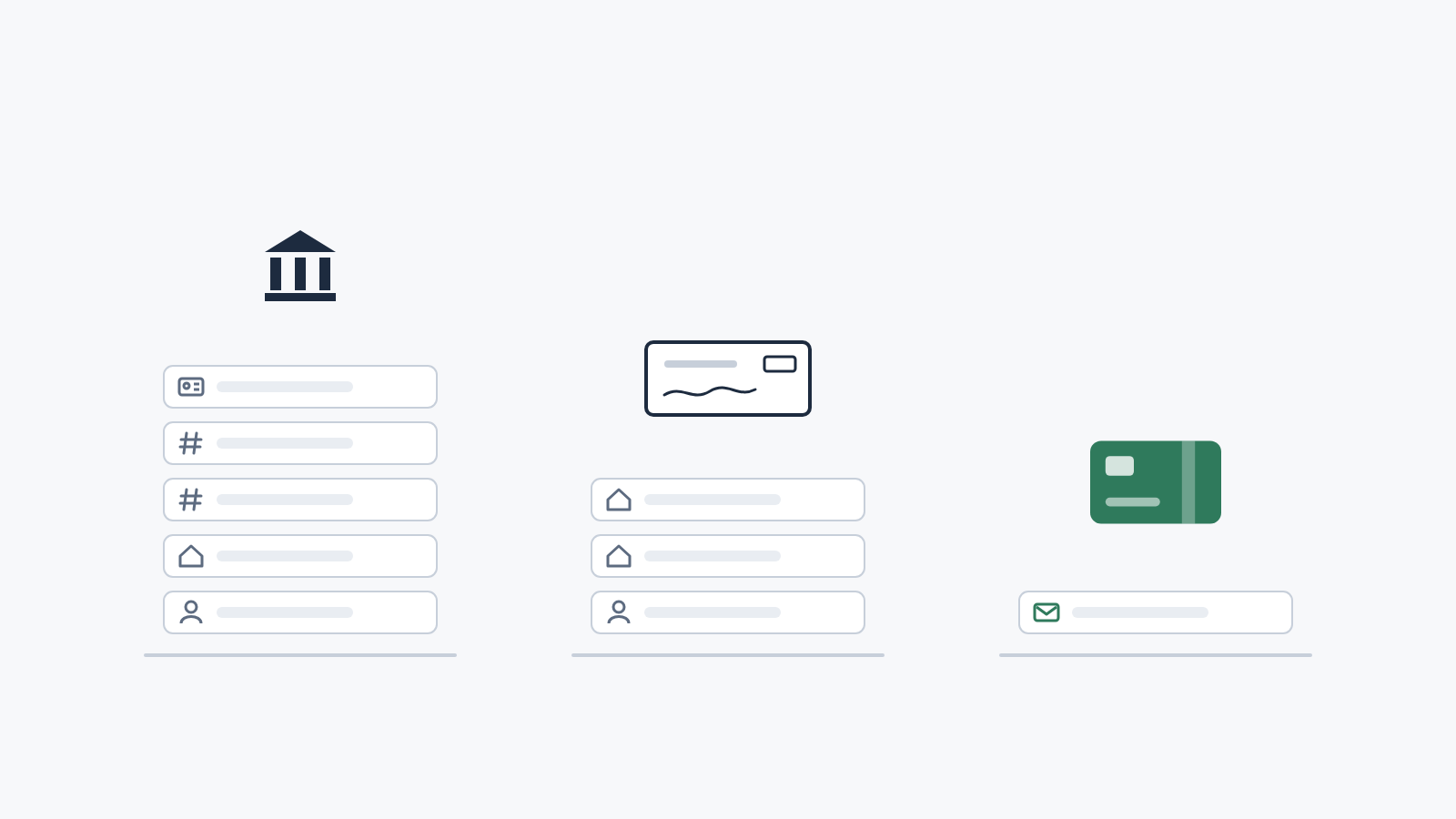
Researchers think carefully about the dataset they deliberately create. They think less carefully about the payment process, which creates another dataset. William & Mary’s Financial Operations procedures require documenting compensation, with the exact process varying by payment amount and method. Even a study intentionally designed to minimize identifying information still has to deal with payment.
For sensitive or anonymous studies, that forces a practical question: does the information needed to deliver payment need to be attached to the participant’s responses? Ideally no. Where the protocol and institutional requirements allow it, researchers can collect reward-delivery details separately. An email address is still identifying information, but storing it in a separate payment workflow can prevent the research program from accumulating data it doesn’t need and likely doesn’t want to own. The chosen delivery method similarly affects that data footprint. Bank transfers require financial information, but digital gift cards can be delivered using an email address or mobile number instead. None of those choices makes a study anonymous by itself, and none removes IRB, finance, privacy, or recordkeeping obligations; they change what information must be collected to keep the payment promise and allow a stricter data-minimization approach.
Payments at Scale: How Delivering Incentives Can Become a Headache
Paying 20 participants takes at most two hours. Paying 2,000 is a different game entirely. For a small qualitative study, a researcher reviews a participant list and arranges payment manually. As volume grows, the same workflow isn’t tenable. This is where payment methods should be evaluated as tools, not just payment options. Bank transfers still make sense for named participants receiving larger payments, but they carry a greater financial and administrative footprint. PayPal and Venmo depend on third-party accounts and geographic availability. Digital gift cards offer a more practical route when a study needs to distribute modest incentives at high volume without collecting participant bank details.
The study established who earned the reward. The rewards layer handles the approved distribution. Giftogram supports individual and bulk sending, scheduled delivery, integrations, and API-based research incentive workflows, so distribution can connect to a system that already knows a participant has qualified. It does not determine eligibility or whether compensation complies with the protocol. The research team and its institutional review process make that decision. Asking a specialist for information needed to receive $300 after a long interview is reasonable. Asking 5,000 consumers for banking information so each can receive $10 creates a frankly bad tradeoff between payment value, participant effort, and administrative complexity.
Paying Participants is Part of the Study
Amount, timing, and payment method are not unrelated administrative details. They help shape what data the study generates, what additional data it generates, and how reliably the research team can meet its obligations. This is why payment should be designed before recruitment starts.
The argument is simple. Researchers already scrutinize what participants are asked to disclose in the study itself. The same discipline should apply to compensation.
Frequently Asked Questions
What are the best practices for paying research participants?
Compensation should reflect the time, effort, inconvenience, and costs involved without becoming an excessive or inappropriate influence on participation. Researchers should document the amount, form, timing, and conditions, explain them during consent, and follow institutional IRB, finance, privacy, and recordkeeping requirements.
What are alternatives to PayPal for paying research participants?
Depending on institutional policy, alternatives can include checks, bank transfers, cash, prepaid cards, and digital gift cards. Each requires a different amount of participant information and administrative work. Giftogram supports individual, bulk, and automated digital reward distribution, which can be useful when a study wants recipient choice without requiring bank-account details for gift-card delivery.
How should payment be handled if a participant withdraws?
The answer depends on the study and institutional policy. SACHRP recommends considering prorated reimbursement and compensation for time already contributed rather than withholding everything until study completion, while separate completion incentives may be structured differently.
How should researchers track gift card delivery?
Keep eligibility and fulfillment conceptually separate. The research record establishes who qualified and what they are owed; the distribution record documents the approved reward and available delivery information. For anonymous or sensitive studies, keep payment information separate from response data where the protocol and institutional requirements allow.